 About Us
 Web Design
 SEO
SEO Social Media
 Integrations
 Web Hosting
 Case Studies
 Captain's Blog
 Pay Per Click
 Web Apps
 PMP
PMP Careers




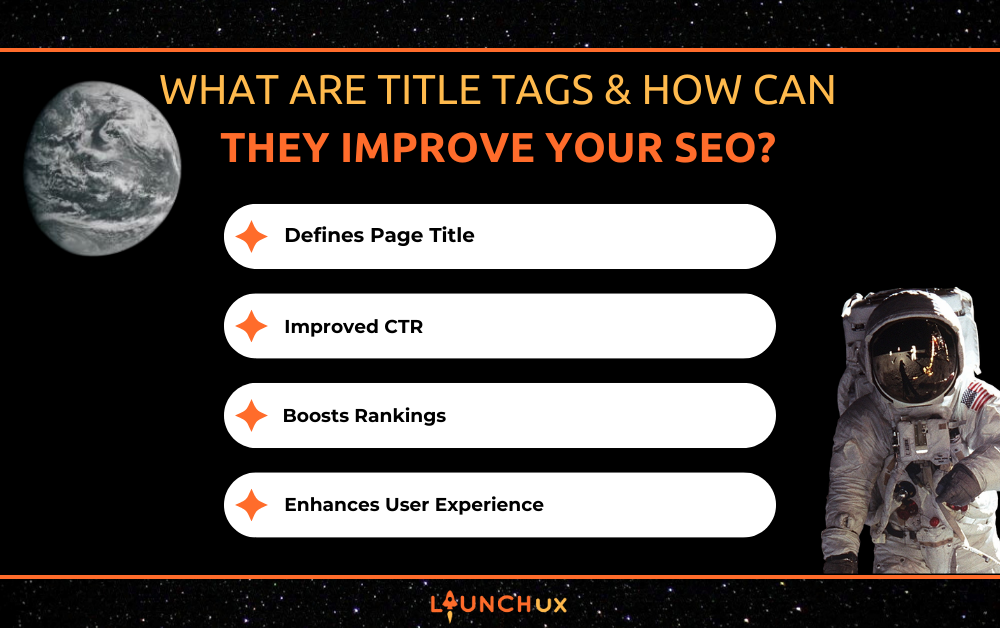
A title tag is more than just a label for your web page—it’s a key element that directly influences how your site performs in search engine results. Acting as the clickable headline in search listings, title tags not only help search engines understand the content of your page but also play a pivotal role in attracting users to click. When crafted thoughtfully, they can drive significant traffic, improve rankings, and enhance the overall user experience, making them an essential part of any successful SEO strategy.
What Are Title Tags?
Title tags are HTML elements that define the title of a web page. They are visible in multiple key locations, such as:
- Search Engine Results Pages (SERPs): Title tags appear as the clickable blue link users see when searching for information.
- Browser Tabs: Displayed at the top of your browser, title tags help users navigate between open pages.
- Social Media Previews: When sharing links, title tags often serve as the headline in preview snippets.
These tags provide a concise summary of what your page is about, acting as a critical first impression for both users and search engines.
The Role of Title Tags in SEO
Title tags are a cornerstone of on-page SEO, playing a dual role in influencing both search engine algorithms and user behavior.
- Search Engine Algorithms: Search engines use title tags to understand the topic of a page and determine its relevance to a user’s query. A well-optimized title tag with strategic keywords can improve your page’s chances of ranking higher in results.
- User Engagement: An engaging, clear, and relevant title can entice users to click on your link over others, improving your click-through rate (CTR). The more users click on your link, the more search engines recognize your page as valuable, further boosting your rankings.
By balancing technical optimization with user appeal, title tags are a powerful tool for increasing visibility and driving organic traffic to your site.
Why Are Title Tags Important for Your Website?
Improving Click-Through Rates (CTR)
Optimized title tags are your website’s first chance to grab attention in search results. A well-written title tag clearly communicates the value of your content, enticing users to click on your link over others. Imagine browsing a library shelf—books with clear, engaging titles are the ones you’re more likely to pick up. Similarly, a title tag with relevant keywords and compelling phrasing encourages users to visit your site, improving your click-through rate (CTR) and signaling to search engines that your page is worth promoting.
Boosting Search Engine Rankings
Search engines rely on title tags to determine the relevance of your page to a user’s query. When your title tag includes carefully chosen keywords that align with user searches, it acts like a beacon, helping search engines categorize and rank your content appropriately. For example, a page titled “Affordable Winter Jackets for Men” is more likely to rank for relevant searches than a vague title like “Shop Now.” By clearly defining your page’s purpose, you boost your visibility in search results, making it easier for potential visitors to find you.
Enhancing User Experience
They do more than help search engines—they guide users by providing a quick snapshot of your page’s content. Clear and descriptive title tags reduce confusion and set accurate expectations, ensuring visitors find what they’re looking for once they click. Think of them as signposts on a highway: the clearer and more specific the signs, the more confident drivers feel about their destination. When users have a seamless experience navigating to your page, it fosters trust and encourages longer engagement, which benefits your website’s overall performance.
Optimizing title tags is a simple yet powerful step in creating a better experience for both users and search engines, ultimately driving measurable results for your website.
How to Write Effective Title Tags
1. Use Keywords Wisely
Including primary keywords in your title tags is crucial for effective SEO. Position these keywords naturally at the start of the title to clearly communicate relevance to search engines and users alike. For instance, instead of “Discover Tips for Writing Blogs,” a stronger title would be “Blog Writing Tips: How to Engage and Rank Better.”
2. Keep It Concise and Clear
To ensure your title tags display properly in search results, keep them under 60 characters. This prevents truncation, which can cut off important information and leave users guessing. A clear and concise title like “Best Hiking Boots for Winter Adventures” is more impactful than a lengthy, vague one.
3. Make It Compelling
Capture attention by creating title tags that spark curiosity or offer clear value. Use action-driven words like “Unlock,” “Master,” or “Improve” to emphasize benefits or urgency. For example, “Unlock the Secrets to Better SEO Rankings” is much more engaging than a generic title like “SEO Advice.”
4. Avoid Duplicate Title Tags
Each page on your website should have a unique title tag tailored to its specific content. Duplicate title tags confuse search engines, which can negatively impact rankings, and may mislead users. Individualized titles like “SEO Tips for Beginners” and “Advanced SEO Strategies” clarify the purpose of each page and improve navigation.
5. Consider Branding
Including your brand name in title tags can enhance recognition and build trust, especially for well-known businesses. Position your brand at the end of the title for better visibility, such as “SEO Title Tag Optimization | LaunchUX.” However, prioritize the page’s main topic first to maintain relevance and attract clicks.
By combining these strategies, you can create title tags that not only rank well but also encourage users to visit your site, driving traffic and engagement.
Common Mistakes to Avoid
Using Overly Long or Keyword-Stuffed Title Tags
Title tags that exceed 60 characters are often truncated in search results, leaving important information out and frustrating users. Similarly, stuffing too many keywords into your title not only looks unprofessional but can also harm your SEO by making your content appear spammy to search engines. Instead of “Best Winter Jackets, Affordable Winter Coats, Cheap Winter Outerwear,” opt for a clean, focused title like “Affordable Winter Jackets for Every Budget.”
Creating Vague or Irrelevant Titles
A vague title like “Click Here for More Info” or a misleading one that doesn’t reflect the page’s content can quickly drive users away. Titles need to be specific, relevant, and actionable to earn clicks and maintain user trust. For instance, instead of “Great Products Online,” use “Top 10 Organic Skincare Products for 2024” to provide clarity and value.
Forgetting to Align the Title with the Page Content
Title tags should set clear expectations for what users will find on the page. If the title promises “How to Bake a Perfect Chocolate Cake,” but the content is about baking tools, visitors will leave disappointed. This misalignment not only frustrates users but also increases your bounce rate, which can negatively impact your rankings. Always ensure your title accurately reflects the page’s content for a seamless user experience.
Avoiding these common mistakes ensures your tags are effective, user-friendly, and aligned with best practices, ultimately driving better results for your website.
The Impact of Title Tags on SEO Success
While title tags are vital, they are most effective when paired with other on-page SEO elements:
- Meta Descriptions: The title tag grabs attention, but the meta description provides context, convincing users to click. Together, they act as your “ad copy” in search results.
- Headers (H1, H2, etc.): Title tags set the stage, but headers help structure your content. Search engines look for consistency between your title tag and on-page headers to confirm relevance.
- Content: The page content must deliver on the promise of the title tag. Search engines reward pages with well-aligned, high-quality content that matches user intent.
- Internal Links: Pairing optimized tags with clear internal linking strategies enhances navigation and further reinforces keyword relevance.
When used strategically, title tags work harmoniously with these elements to enhance both search engine rankings and user engagement, forming the backbone of an effective SEO strategy.
Optimize Your SEO Strategy with LaunchUX
Ready to take your website’s performance to the next level? Crafting effective title tags is just one piece of the SEO puzzle, and LaunchUX has the expertise to help you put it all together. Contact us today for professional SEO and web development services designed to boost your visibility, engagement, and overall success.
Let LaunchUX transform your website into a powerful tool for growth—reach out now to get started!